AKTUALNOŚCI 

 28 February 2026
Why Do Students Fail Their Driving Tests Despite Being Good Drivers? The Psychology of Exam Decisions
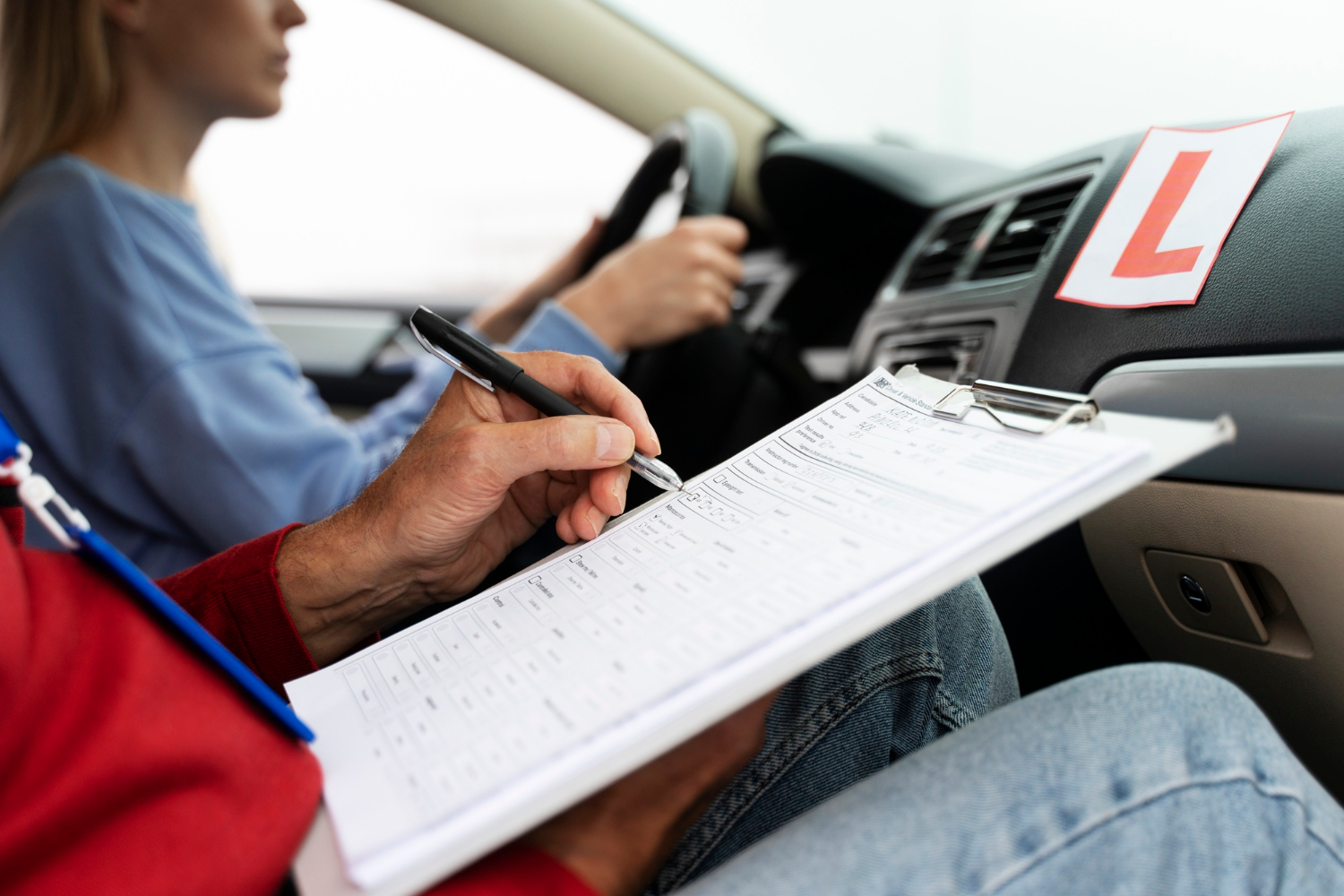
The driving test is not just a formality, but also a test of skill, concentration, and mental resilience, often revealing how students cope under the pressure of time and the examiner’s expectations. Despite hours of refresher driving and thorough theoretical preparation, many people experience failure right at the exam. This may seem paradoxical, but it has its roots in decision-making psychology and stress mechanisms. Analyzing this phenomenon allows us to understand why knowledge and practice are sometimes insufficient to achieve a positive result, and it also provides directions for effectively preparing students for the realities of the exam.
Driving Test – Major Challenges
The most significant challenges of the exam stem from both the need to apply practical skills within a specified timeframe and the pressure of external assessment. Students who have mastered driving techniques in class suddenly have to perform the same maneuvers in a new, often stressful context, where any mistake is clearly noticed and can lead to a deduction of points. Another significant challenge is the need to make decisions in changing road conditions, often in unforeseen situations that did not arise during the course of study. Therefore, the exam tests not only practical skills but also the ability to quickly assess situations and react under pressure, which becomes a major source of difficulty for many students.
Failed the driving test – why?
The reasons for exam failure are complex and not always due to a lack of skills. Most often, stress and excessive tension lead to attention deficits, delayed reactions, or excessive focus on details, which leads to a loss of smooth driving.
What to watch out for during the driving test?
During the exam, it’s worth focusing on the ability to perform maneuvers smoothly and maintain appropriate speed, as well as precise observation of the surroundings and compliance with the rules of priority. Concentration is crucial, allowing you to anticipate the movements of other road users and react to unforeseen situations, which is often an extracurricular element of driving lessons. Every student should remember that the exam is not only a test of driving skills, but also a test of stress tolerance, the ability to make decisions in a short time, and the ability to remain calm in the face of unexpected road events, which can arise just as frequently during everyday driving.
Stress During the Driving Test – How to Cope with It?
Exam stress is a natural phenomenon that cannot be completely eliminated, but it can be effectively controlled with proper mental and physical preparation. Practicing relaxation techniques, conscious breathing, and exam simulations allow students to acclimate to the pressure of the assessment. Building self-confidence through regular practice and learning how to react to challenging driving situations is also crucial, so that during the exam, students act automatically and avoid panic. The support of experienced instructors is also crucial, providing not only technical knowledge but also tips on coping with stress and making sound decisions in unexpected situations, which is a core value of our driving school. Thanks to our approach, which combines driving technique with practical preparation for the realities of the road, students not only earn their license but also learn to manage stress, make quick decisions, and safely react to unexpected situations. This significantly increases their chances of passing the exam and lays the foundation for confident, responsible driving after graduation. Our school in Warsaw emphasizes high-quality instruction, personalized attention, and innovative training methods, ensuring that each student is fully prepared for both the state exam and everyday safe driving.


