AKTUALNOŚCI 

 28 February 2026
How to Properly Start Uphill in an Exam? The Simplest Method
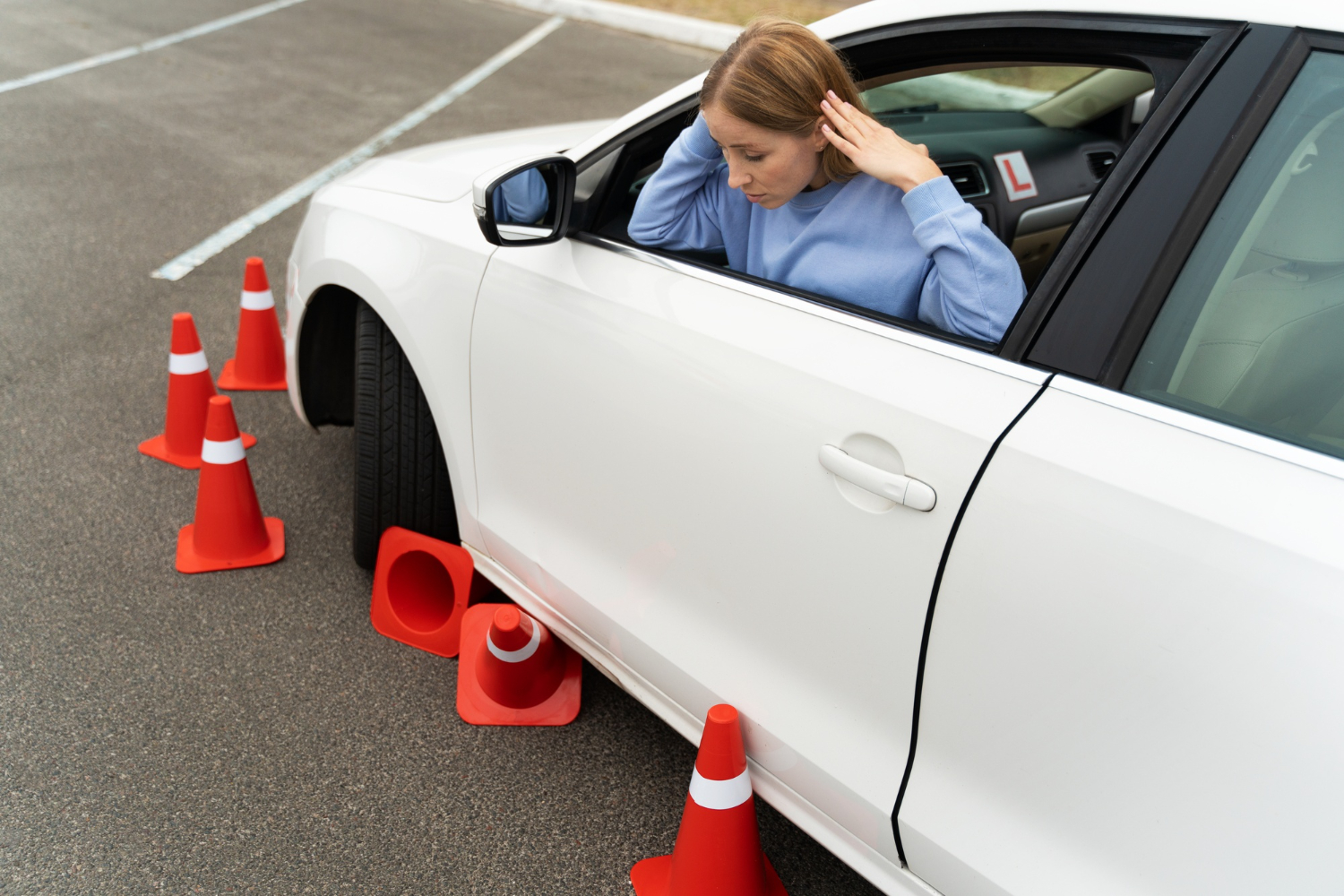
Hill starts are one of the most stressful moments for many driving students. Many of us, while learning, wonder how to avoid uncontrolled rollback and maintain full control of the car.
The key is calm, conscious technique and practice in realistic conditions. Below, we describe the simplest way to effectively start uphill, allowing you to confidently conquer hills from the very first attempt.
Hill Start Basics
The basis for effective hill starts is understanding how a car reacts when starting on a slope. It involves combining the appropriate use of the brake, clutch, and throttle.
It’s crucial to sense the moment when the clutch begins to transfer power to the wheels, allowing you to pull away without the risk of rollback. Regular practice in realistic conditions helps us master the technique and increase confidence during the exam.
The Simplest Hill Start Method
The simplest method is the handbrake and clutch technique. When starting on a hill, hold the handbrake and slowly release the clutch until the car begins to pull forward slightly.
At this point, gently apply the gas and gradually release the handbrake. This allows the car to start smoothly, minimizing the risk of rolling back. Practicing this method helps you increase your confidence and master hill starts without stress.
Common Hill Start Mistakes
The same mistakes are often made during the hill start exam:
Releasing the clutch too quickly, causing the car to jerk or stall.
Insufficient gas, causing the car to roll back.
Panic and excessive focus on the brake instead of the clutch and gas.
Conscious practice allows you to avoid these problems and start confidently, even in more challenging conditions.
How to prepare for the hill start exam?
Preparation includes both theory and practice. It’s worth practicing hill starts in various locations – on shorter and longer hills, with varying road inclines.
Regular repetition of exercises helps build confidence, increase vehicle control precision, and prepare for exam situations. Recognizing driving patterns, clutch feel, and accelerator timing facilitates smooth and safe hill starts.
Practice is the key to hill start confidence
Mastering hill starts requires not only theory but, above all, regular practice. OES focuses on effective training for future drivers, where every element of driving, including hill starts, is practiced in realistic conditions. During the course, participants have the opportunity to repeatedly practice hill starts so that the feel of the clutch, accelerator, and brake becomes natural.
Practical exercises build confidence, reduce exam-related stress, and teach how to react to various driving situations. OES offers a variety of scenarios. This allows future drivers to gain the necessary experience and confidence that they have mastered hill starts completely and safely.
Regular repetition of exercises in a controlled environment allows them to transfer acquired skills to the exam and then to everyday driving. In practice, this means that every student who has completed OES training can approach hill starts with the confidence that their knowledge and skills will allow for a smooth and safe start in all conditions.
Summary
Hill starts are a skill that can be mastered through patient practice and proper technique. The simplest method – using the handbrake, clutch, and gentle acceleration – allows for confident and safe starting. Regular practice and a conscious approach to technique make hills easier to overcome, significantly reducing exam stress.


